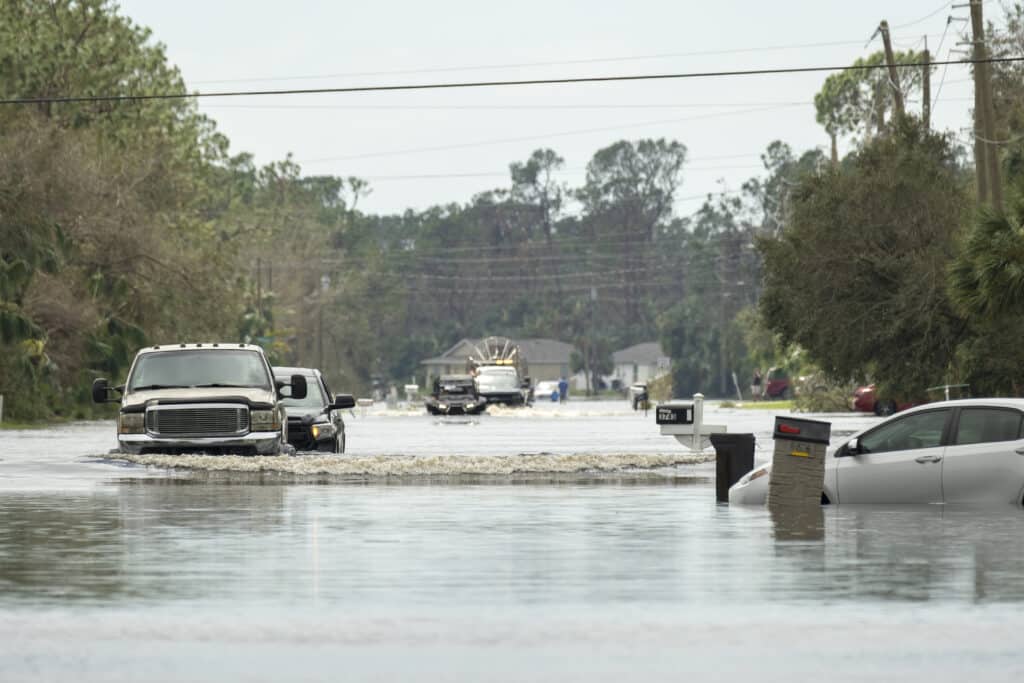
When Hurricane Helene tore through Florida and the Carolinas in September 2024, the immediate devastation was impossible to ignore. Homes destroyed. Communities underwater. Lives upended overnight.
But there’s another impact that’s less visible—and far more persistent.
Six months after a major weather disaster, employers in affected areas see mental health leaves spike by 37% to 59%. Eighteen months later? Those numbers climb even higher, reaching 77% in some cases.
For context, during those same timeframes, the overall increase in mental health leaves across the broader workforce was just 2% to 8%.
Why the Mental Health Impact Lasts So Long
It’s not hard to understand why. In the immediate aftermath of a traumatic weather event, people go into survival mode. They’re focused on finding shelter, accessing food and water, checking on loved ones, and assessing the damage.
The psychological processing comes later.
Weeks and months after the storm has passed, the real emotional reckoning begins. There’s the grief of what was lost. The stress of navigating insurance claims and FEMA applications. The exhaustion of rebuilding. The ongoing uncertainty about the future.
And with extreme weather events increasing by 74% worldwide over the past 20 years according to the UN, this isn’t a one-off concern: it’s an emerging workforce risk that employers need to prepare for.
What the Data Tells Us
ComPsych analyzed absence data from employers in communities affected by three major weather disasters: Hurricane Harvey (2017), the Maui Wildfires (2023), and Hurricane Helene (2024). We compared mental health leave patterns in these regions against our overall book of business covering approximately 6 million people. The findings were striking.
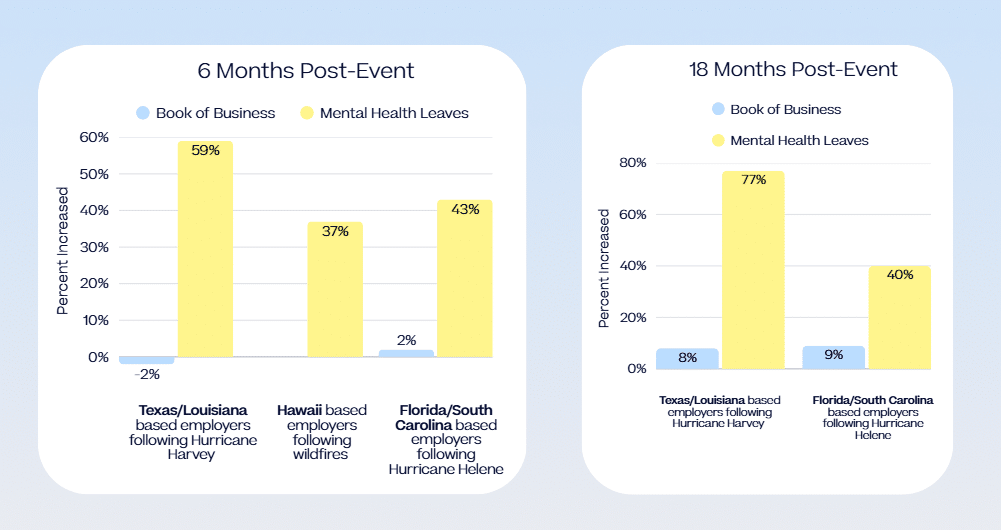
The pattern is clear: traumatic weather events create a sustained surge in mental health leaves that extends well beyond the immediate crisis period.
Understanding this pattern is the first step. The second is preparing your organization to combat this emerging risk and support employees through these extended recovery periods. Data shows weather disasters are increasing in frequency and severity. The organizations that thrive will be those that understand the full scope of impact, including the mental health toll that persists long after the skies clear.
Dig into the data further and learn how your organization can prepare by downloading the full white paper.